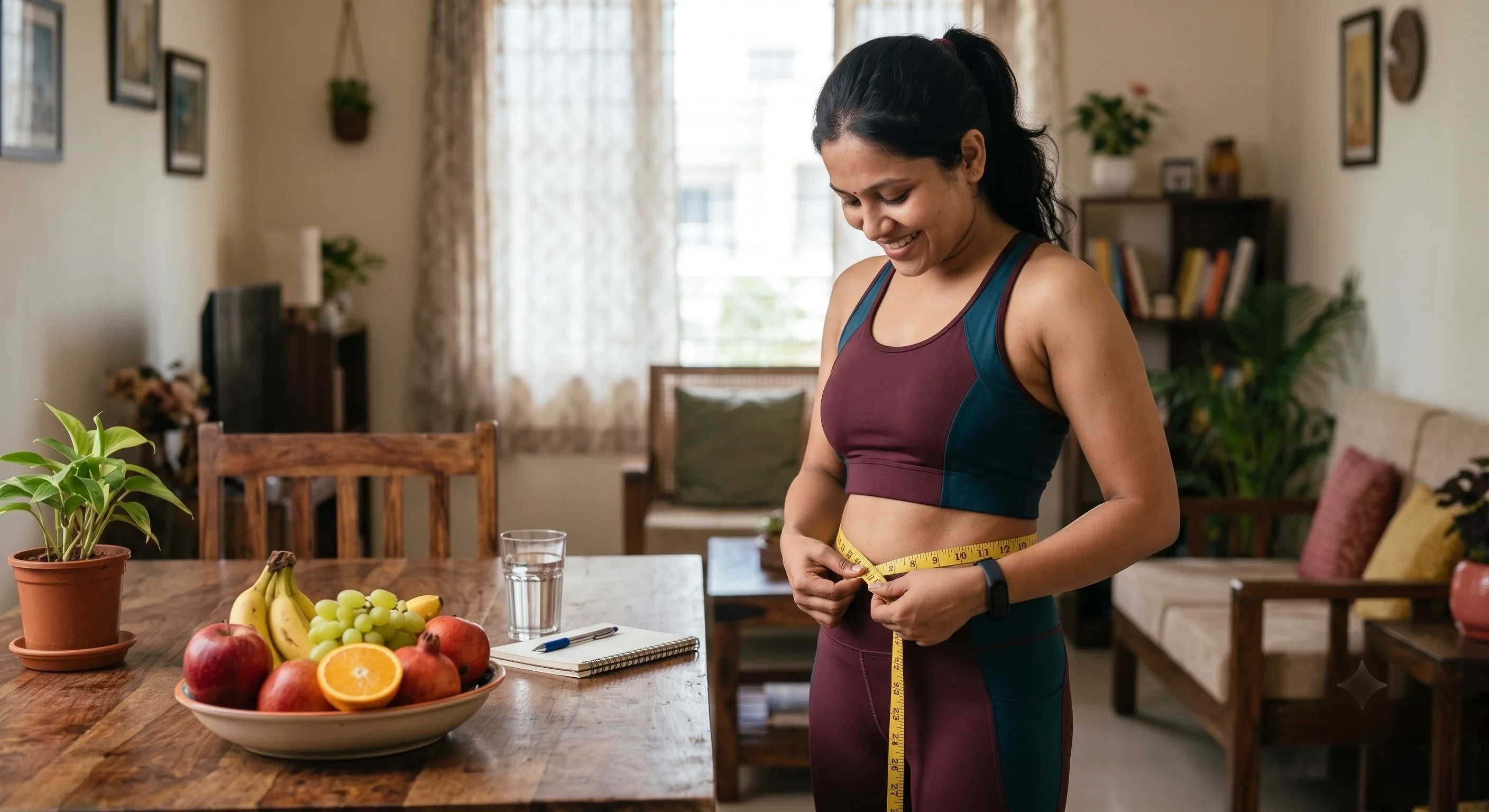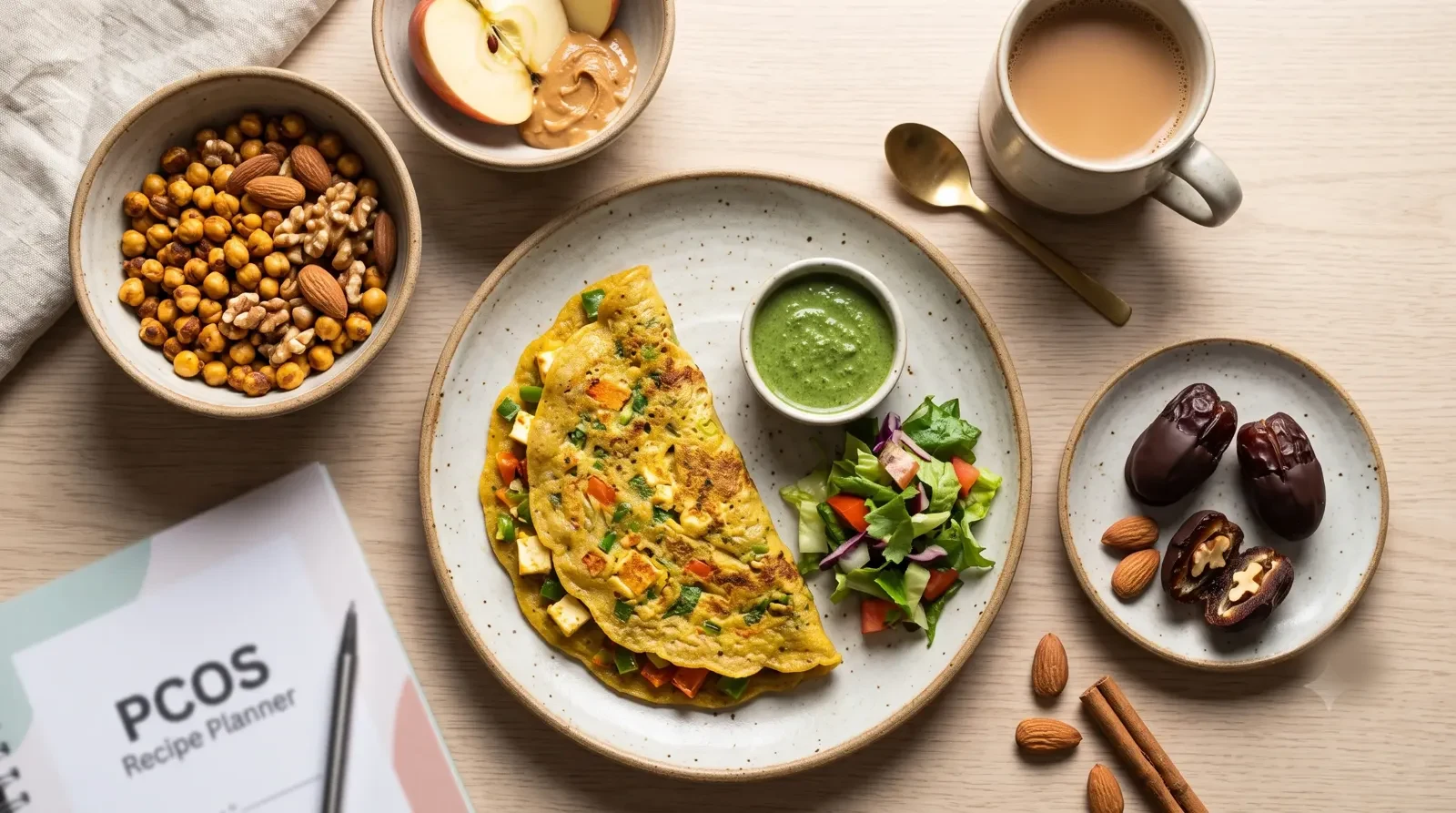
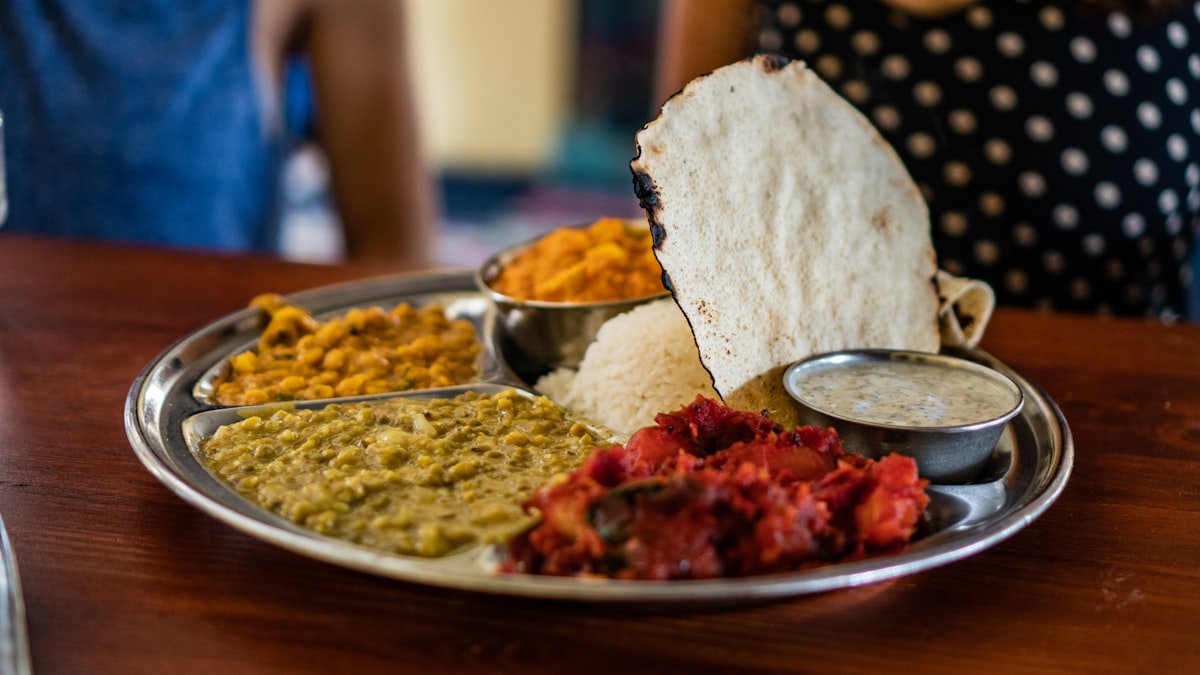
"Ma'am, I have stopped eating rice." "I don't eat bananas — they increase weight." "Potato is not allowed during weight loss, right?"
I hear some version of these in almost every first consultation.
And I understand why. One reel says rice is the enemy. The next says rice is fine but roti is the problem. Someone else has quit fruit entirely because it's "too sweet." By the time most people reach a dietitian, they aren't confused about calories — they're afraid of their own kitchen.
So let me say the most important thing first:
No single food made you gain weight. And removing a single food will not make you lose it.
What actually moves the needle is your overall pattern — how much you eat across the day, how much protein and fibre you're getting, how often you eat fried and packaged food, how active you are, how well you sleep, and whether you can keep it up for six months instead of six days. I've written before about why Indian food isn't the fattening cuisine it gets blamed for — this post goes food-by-food through the specific myths that come up most.
Here are the ten myths I spend the most time undoing — and what I tell my clients instead.
1. "Rice makes you gain weight"
Reality: rice is usually the first thing to go, and almost never the actual problem.
Rice is a carbohydrate source, the same as roti, oats or poha. It doesn't have a special weight-gaining property.
What changes the outcome is what's around the rice and how much of it lands on your plate. A serving of rice with dal, a sabzi, curd and salad behaves very differently in your body than a large helping of rice with a fried side and little else — because the first plate has protein and fibre and the second is mostly starch.
What I actually suggest: serve your rice first, in one katori, then build the rest of the plate around it. Most people find that the second helping was habit, not hunger.
2. "Roti is fattening"
Reality: roti and rice are roughly interchangeable. Pick what you'll enjoy eating.
There's no metabolic magic in one over the other. Roti brings a little more fibre and protein per serving; rice is easier to digest for some people. Both fit.
The mistake I see more often is the "roti-only" meal — three or four rotis with a small sabzi and nothing else. That's a plate that's almost entirely carbohydrate, which is why people feel hungry again by 5pm and reach for a snack.
What I actually suggest: keep the rotis, but never let them be the whole meal. Add dal, curd or paneer to the same plate and you'll usually need fewer of them without trying.
3. "Bananas should be avoided during weight loss"
Reality: this myth costs people one of the most convenient foods available to them.
Banana is sweet because it contains natural sugars, along with fibre, potassium and B vitamins. Sweetness is not the same as fattening. A banana in a lunchbox is a very different thing from a banana milkshake with sugar and ice cream.
What I actually suggest: if you're someone who reaches for biscuits or namkeen at 4pm, a banana with a few nuts is the swap that quietly removes the most calories from your week.
4. "Potato is not allowed"
Reality: the potato isn't the issue. The oil is.
This is the clearest example of preparation mattering more than the ingredient — same vegetable, completely different outcomes:
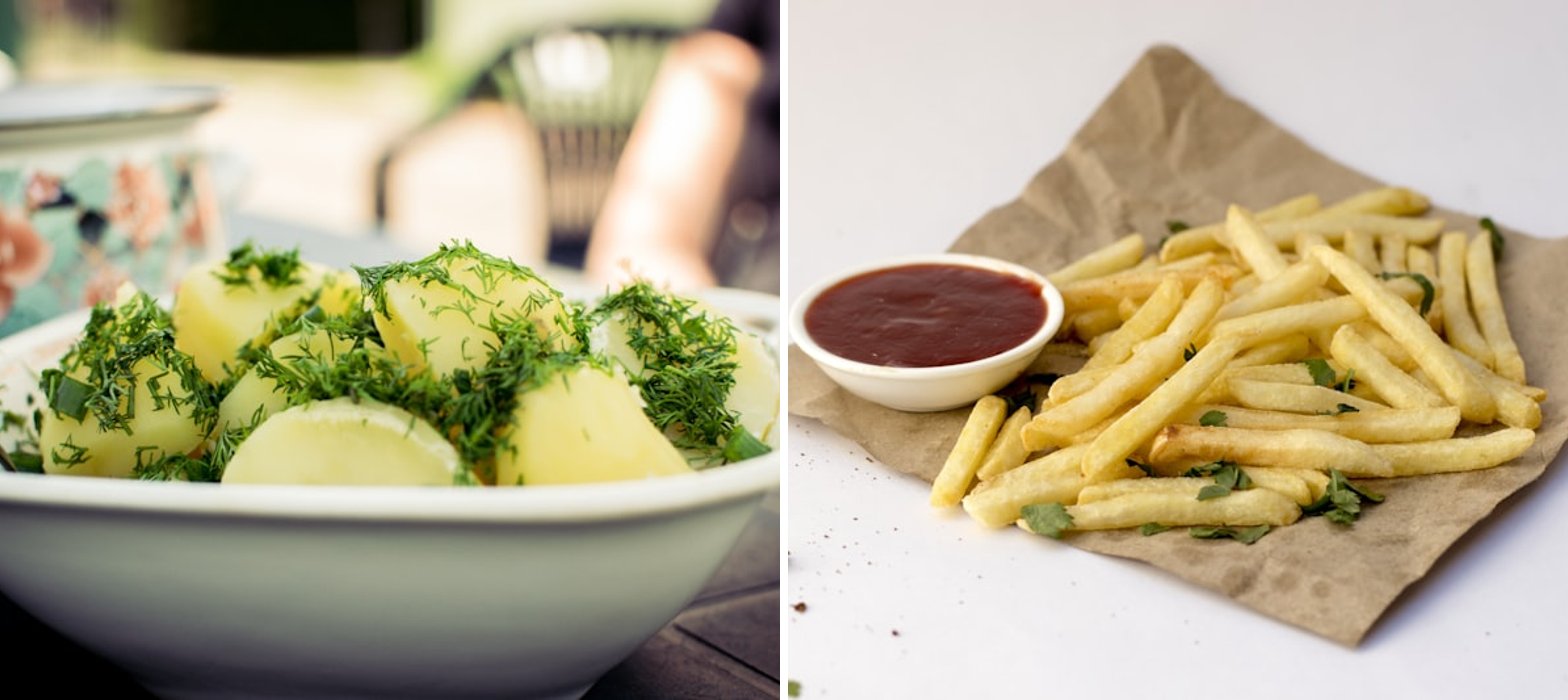
Boiled potato is not French fries is not potato chips. Two of the three are cooked in oil that the potato soaks up. A boiled or roasted aloo also gives you potassium, vitamin C and fibre (keep the skin on).
What I actually suggest: boiled, roasted or air-fried aloo can stay in your diet. Treat it as your carbohydrate for that meal, not as an extra on top of rice or roti.
5. "You have to stop ghee completely"
Reality: you don't need to eliminate it — but "healthy" doesn't mean "unlimited."
Ghee is a concentrated source of fat, so quantity genuinely matters here. A small amount used in normal cooking is fine in a balanced diet.
The bigger problem I see is the opposite belief: "Ghee is healthy, so more is better." Spoons of ghee on every roti, in every dal, plus ghee-based sweets, add up quickly without you noticing.
What I actually suggest: measure your household's monthly oil and ghee usage once, divide by the number of people, and see where you land. Most families are surprised — and it's a far more useful exercise than banning ghee outright.
6. "Mango makes you gain weight"
Reality: the most unfairly blamed fruit in India.
Every summer someone tells me they've stopped eating mango. Meanwhile, mango gives you vitamin A, vitamin C and fibre — and for two months a year it's genuinely one of the nicer things about living here.
A whole mango is not the same as a mango shake with added sugar, mango ice cream, or aamras with cream.
What I actually suggest: eat the fruit, not the dessert made from the fruit. And eat it as your snack rather than after a full meal, so it replaces something instead of adding to it.
7. "Dal should be avoided"
Reality: if you're vegetarian, dal is on your side, not against you.
Dal, rajma, chana, moong and other pulses give you protein and fibre in the same spoon — the two things that make a meal actually keep you full. For most vegetarian clients, the problem isn't too much dal; it's too little.
A weight loss diet is not cucumber and salad all day. That approach fails within two weeks, every time, because you end up too hungry to sustain it.
What I actually suggest: aim for a visible protein source at every single meal — dal, curd, paneer, sprouts, eggs, soya or chicken. If a meal has none, it's not a complete meal yet.
8. "Nuts make you fat"
Reality: nuts are nutritious and calorie-dense. Both facts are true at once.
Almonds, walnuts and peanuts give you healthy fats, protein, fibre, magnesium and vitamin E. That's real value.
But a small handful and open-packet eating in front of the TV are two completely different things — and only one of them is a portion.
What I actually suggest: portion your nuts out in the morning into a small container for the day. Never eat them straight from the big packet. This single change does more than any nut-related advice I can give you.
9. "You must cut carbohydrates to lose weight"
Reality: carbohydrates are in most of the foods that make an Indian diet liveable.
Roti, rice, oats, potato, fruit, whole grains, even dal — all contain carbohydrates. Cutting them out means cutting out most of your food culture, which is precisely why low-carb diets tend to collapse here after a few weeks and end in a rebound.
You don't gain weight because carbohydrates exist. You gain weight when total intake stays above what your body uses, consistently, over time.
What I actually suggest: don't reduce carbohydrates — rebalance the plate. Keep roughly half of it vegetables, a quarter protein, a quarter carbohydrate. The carbs come down naturally and you don't have to fight yourself to do it.
10. "If it's healthy, I can eat unlimited amounts"
Reality: this is the myth that quietly stalls the most weight loss journeys.
Nuts, seeds, peanut butter, dates, ghee, smoothies, granola, homemade energy balls, cold-pressed oils — all nutritious, all calorie-dense. "Healthy" describes nutrient quality, not quantity.
I've seen people cut rice completely and still not lose weight, because four dates, two spoons of peanut butter and a fistful of nuts quietly replaced everything they removed.
What I actually suggest: apply portion awareness to your healthy foods with the same attention you give your "bad" ones. That's usually where the missing piece is hiding.
So what should you actually eat?
Instead of a list of banned foods, build every plate the same way:
| Component | What it does | Examples |
|---|---|---|
| Protein at every meal | Keeps you full, protects muscle | Dal, curd, paneer, eggs, chicken, fish, soya, sprouts |
| Half the plate vegetables | Fibre and volume for fewer calories | Any sabzi, salad, sautéed greens |
| Carbohydrate, portioned | Energy, satisfaction, sustainability | Roti, rice, oats, potato, millets |
| Fats, measured | Absorption of vitamins, flavour | Ghee, oil, nuts, seeds |
That's it. No banned list, no fear.
When weight loss stalls, check these first
Before you blame yesterday's banana, run through this:
- Is there a protein source in every meal?
- Are vegetables actually filling half the plate, or just garnishing it?
- How many times this week did you eat fried or packaged food?
- Are you drinking your calories — juices, shakes, sugary chai, multiple coffees?
- Are you moving daily, including outside your workout?
- Are you sleeping 7 hours or scraping by on 5?
- Is this plan something you could still be doing six months from now?
These questions are far more useful than "Which food should I stop eating?"
My advice as a dietitian
You don't need a diet that makes you afraid of food. You need a diet that teaches you how to eat your normal food better.
Rice can fit. Roti can fit. Aloo can fit. Mango can fit. Even a little ghee can fit.
Weight loss isn't about finding one "bad" food and removing it. It's about building an eating pattern you can actually live with.
Frequently Asked Questions
Can I eat rice every day during weight loss? Yes. Rice eaten daily in a controlled portion, alongside protein and vegetables, is entirely compatible with weight loss. Daily frequency isn't the issue — total portion and the balance of the rest of the plate are.
Which is better for weight loss, roti or rice? Neither is clearly superior. Roti offers slightly more fibre and protein per serving; rice is lighter to digest for many people. Choose based on your preference and routine, since the diet you enjoy is the one you'll continue.
Does eating banana at night increase weight? No. Your body doesn't process food differently based on the clock. What matters is your total intake for the day, not the hour at which a specific food is eaten.
How many roti should I eat for weight loss? There's no universal number — it depends on your body size, activity level and what else is on the plate. This is exactly the kind of thing worth personalising rather than copying from the internet.
Is ghee good or bad for weight loss? Neither. Ghee is a calorie-dense fat that can fit in a balanced diet in modest amounts, but it isn't a weight loss aid and using more of it won't help you.
Want to lose weight without giving up your favourite foods?
If you're tired of starting over every Monday, a plan built around your actual food, your actual schedule and your actual preferences works far better than another list of banned items.
Book a consultation with Dietitian Sanchi →
In your first session we'll look at what you're currently eating, find the two or three changes that will make the biggest difference for you, and build a plan around the food you already cook at home.
You don't need to fear food to lose weight. You need to understand it.