The Myth: Why Indian Food Gets a Bad Reputation
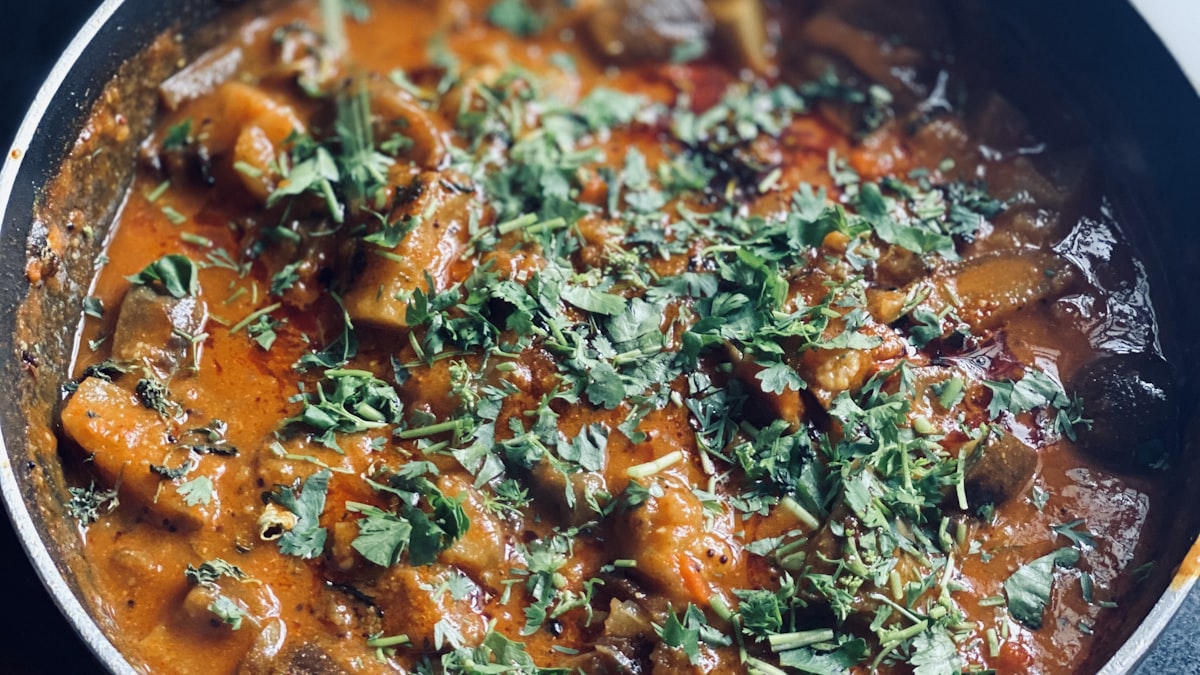
Indian food is often blamed for weight gain, oily curries, deep-fried snacks, sugar-loaded desserts. But this reputation comes from a narrow slice of what Indian food actually is: restaurant menus and festive indulgences, not the everyday home-cooked meals most Indian families eat. When people say "Indian food is fattening," they're usually thinking of butter chicken and gulab jamun, not the dal, sabzi, and roti that make up a typical weekday dinner.
What Traditional Indian Diets Actually Look Like
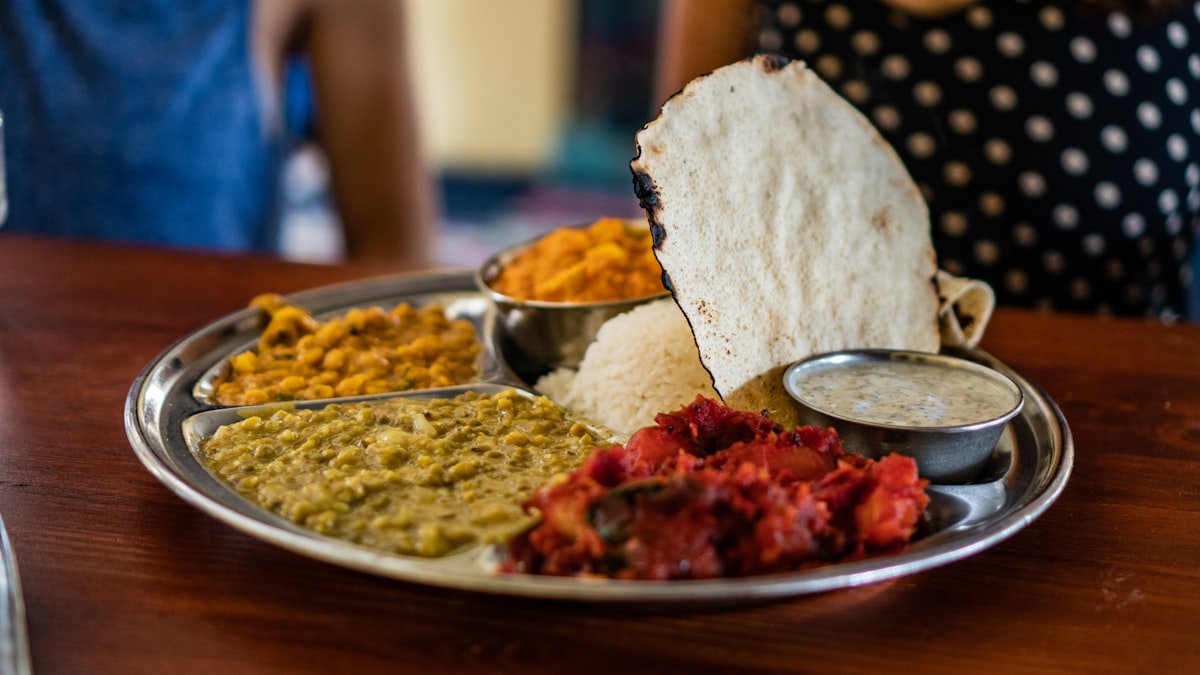
A traditional Indian thali is built on a remarkably balanced foundation: lentils (dal) for plant protein and fiber, seasonal vegetables (sabzi) for micronutrients, whole grains like roti or brown rice for sustained energy, and a small portion of yogurt or buttermilk for probiotics. Spices like turmeric, cumin, and fenugreek aren't just flavor, many have documented anti-inflammatory and digestive benefits. This is, by design, a balanced plate.
The Real Culprits Behind Weight Gain
The foods actually driving weight gain in most modern diets, Indian or otherwise, are refined carbohydrates eaten in excess, deep-fried snacks eaten daily rather than occasionally, sugary beverages, and portion sizes that have crept up over time. It's not dal-chawal that's the problem; it's the extra parathas soaked in ghee, the daily samosas, and the sweetened tea consumed multiple times a day without any other dietary adjustment.
How to Build a Balanced Indian Plate
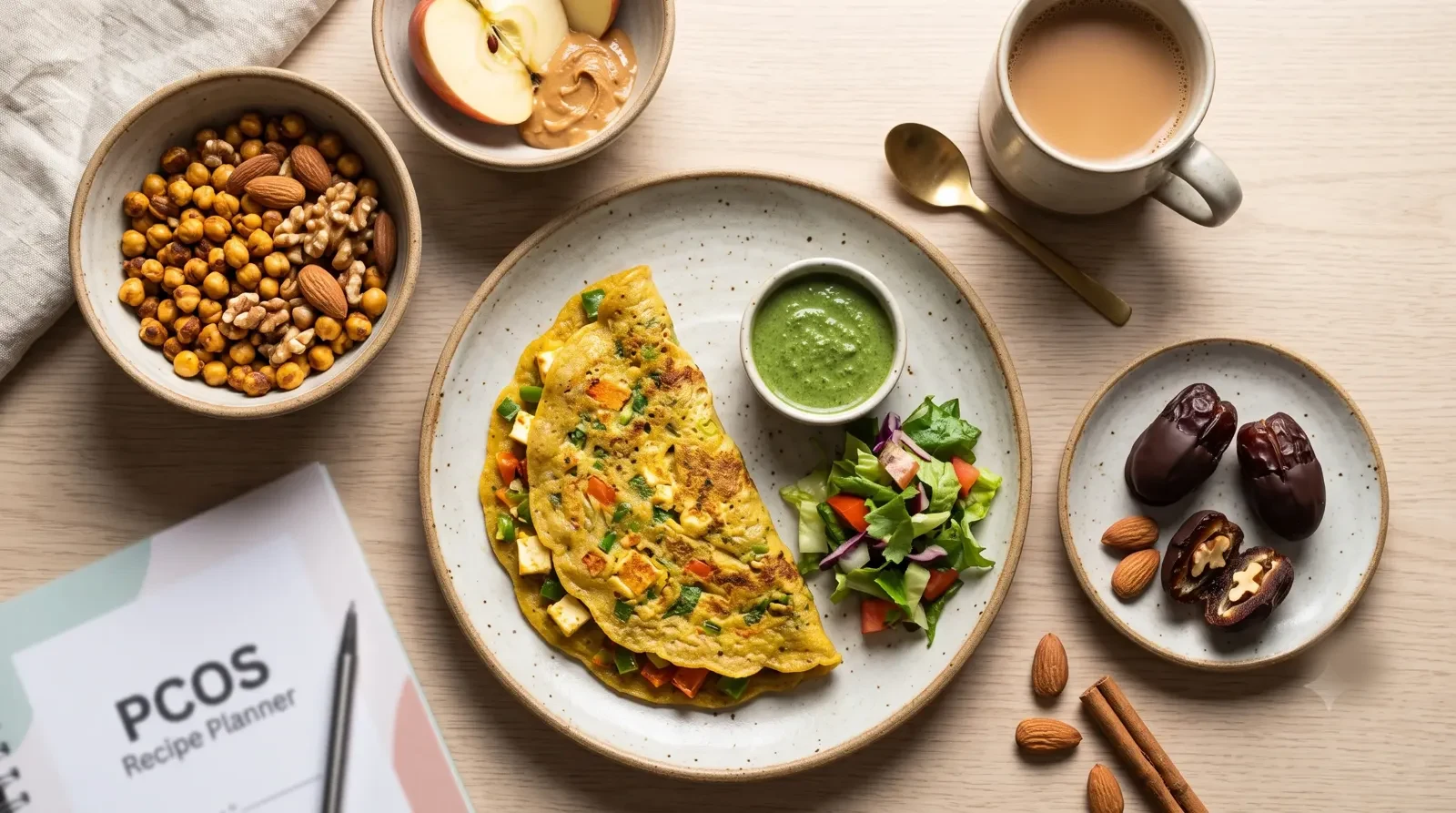
A simple framework: fill half your plate with vegetables and salad, a quarter with protein (dal, paneer, chicken, or fish), and a quarter with whole grains. Cook with moderate oil rather than eliminating it, ghee and mustard oil in reasonable amounts are part of a balanced diet, not the enemy. Save deep-fried snacks and sweets for occasions rather than daily habits, and pay attention to portion sizes rather than cutting out entire food groups.
Key Takeaways
Indian food isn't inherently fattening, it's one of the most naturally balanced cuisines when eaten the way most households traditionally prepare it. Sustainable weight loss doesn't require abandoning dal-chawal or roti-sabzi; it requires portion awareness, smarter choices around fried and sugary foods, and a personalized plan that works with your culture instead of against it.