A patient once told me, almost apologetically, that she could eat clean all day and then stand in front of her fridge at 9 PM eating chocolate straight from the wrapper. She thought it meant she had no willpower.
It didn't. It meant she'd eaten too little, too late, for most of the day.
I hear a version of this every week from women with PCOS: "Is it my insulin resistance?" "Why do I only crave sweets in the evening?" "I feel like I have zero control after dinner." So let's actually work through it, properly, instead of the usual "just cut sugar" advice that doesn't hold up past day three.
The short answer
PCOS can make sugar cravings more likely. But it's rarely the only reason, and it's almost never a reason to eliminate sugar completely.
Insulin resistance is a genuine, well-documented feature of PCOS — it's considered a pathophysiological factor in the condition, and separately, women with PCOS carry a higher risk of impaired glucose tolerance and type 2 diabetes regardless of their age or BMI. That's real, and worth taking seriously.
What it doesn't mean is that a craving equals a diagnosis. Cravings are influenced by meal timing, sleep, stress, hormonal shifts, and plain old habit, just as much as by metabolism. Treat this as a puzzle with several pieces, not a single villain.
Is it really insulin resistance, or is it something simpler?
Before blaming your hormones, it's worth being honest about your actual eating pattern. This is the one I see most often, almost word for word, across different patients:
Tea or coffee for breakfast. A small, rushed lunch. By 4 or 5 PM, real hunger hits — and it doesn't ask politely for a balanced snack, it wants chocolate, biscuits, or namkeen, right now. Then comes the guilt, and the resolution to "be stricter" tomorrow, which resets the same cycle.
If that sounds familiar, the fix usually isn't more restriction. It's earlier, more consistent food. International PCOS guidelines specifically recommend sustainable, individualised healthy eating rather than unnecessarily restrictive diets — which, in plain language, means the goal is a routine you can actually keep, not a stricter version of the one that isn't working.
That said, cravings genuinely can't tell you whether you have insulin resistance on their own. If you're concerned, ask for the actual bloodwork rather than trying to self-diagnose from what you're hungry for.
What breakfast should actually look like
Forget the idea of a special "PCOS breakfast." What matters is the combination: protein, fibre, healthy fat, and a reasonable carbohydrate source, together, not as separate boxes to tick.
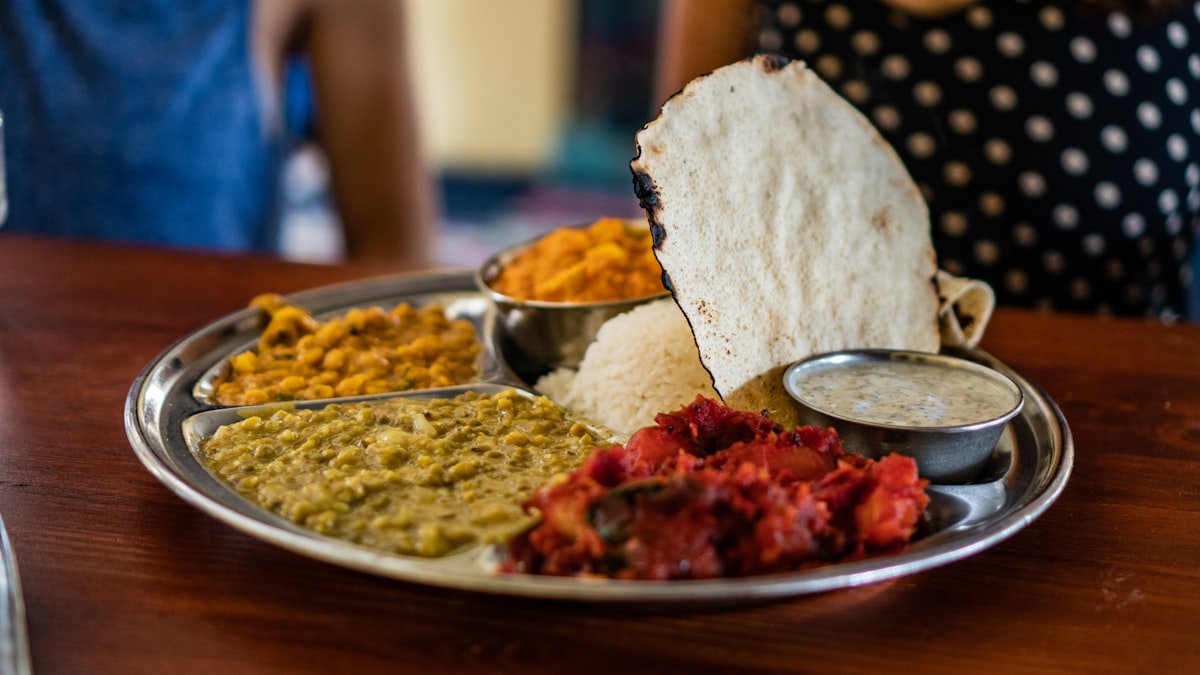
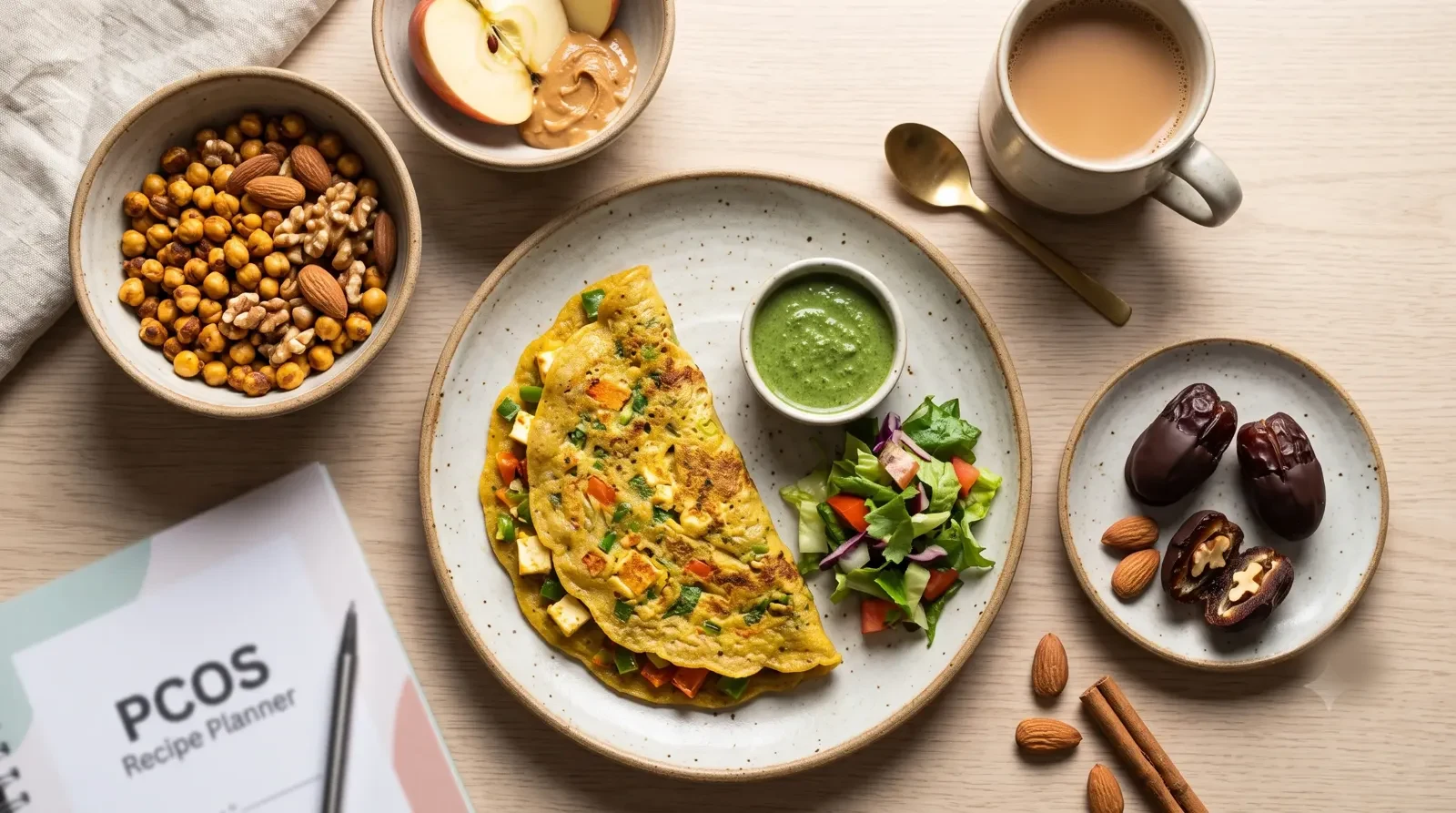
In practice, that could be a moong dal chilla with paneer and vegetables. Besan chilla with curd and a vegetable salad. Poha with peanuts, vegetables and curd on the side. Eggs with vegetables and a roti. Vegetable oats with curd and seeds. Idli-sambar with extra vegetables mixed in.
None of these need to be elaborate. They need protein in them, which is the one thing most rushed Indian breakfasts skip entirely.
Why 4–5 PM is when it usually falls apart
This is simple arithmetic, not weak willpower. If lunch was small and early, by late afternoon your body is genuinely, physically asking for fuel. The mistake is waiting until you're that hungry to decide what to eat — at that point, whatever's closest wins, and it's rarely a fruit bowl.
Decide the snack earlier in the day, before hunger takes the decision out of your hands. Roasted chana with a piece of fruit. An apple with a small handful of nuts. Guava with roasted chana. Plain curd with seeds. Makhana with unsweetened tea. Sprouts chaat. A boiled egg. Homemade unsweetened lassi with nuts. Fruit with plain curd or Greek yogurt.
None of this needs to be perfect. It needs to exist before 4 PM hits.
Cravings around your period aren't a failure
Many women notice they want more chocolate, bread, rice or biscuits in the days before their period. This is a real, common pattern tied to hormonal shifts across the cycle — it is not evidence that you've lost control of your diet.
Fighting it with extra restriction usually backfires. A steadier approach works better: regular meals, enough protein and fibre, good hydration and sleep, and — if you want chocolate — a planned portion rather than a total ban that ends in eating the whole bar later out of guilt.
Craving something sweet, or actually still hungry?
These two things get confused constantly, and they call for different responses.
Physical hunger tends to build gradually, can be satisfied by more or less any reasonable food, comes with other signals like low energy or a growling stomach, and settles once you've eaten. A craving tends to arrive suddenly, fixate on one specific food, show up around stress or boredom, and stick around even after you're full.
They're not always neatly separate — you can be both hungry and stressed at the same time, and most people are. If you're not sure which one you're dealing with, waiting ten minutes before deciding what to eat is a genuinely useful habit. It's not a trick to talk yourself out of eating; it's just enough time to tell the two apart.
One thing worth naming directly: PCOS is associated with higher rates of anxiety and depression, and these are often linked with food cravings and binge eating, and separately, research comparing women with and without PCOS has found meaningfully higher odds of disordered eating patterns and diagnosed eating disorders in the PCOS group. If what you're experiencing is regular loss of control around food, bingeing, or intense guilt after eating, that's not something a snack list fixes. That calls for a conversation with a professional, not another diet.
What about chai and biscuits?
For a lot of Indian households, this isn't really a food question, it's a daily ritual. So don't try to remove it — change what sits next to the tea instead.
Tea with roasted chana instead of biscuits. Tea with a small portion of nuts. Tea alongside something with actual protein in it. Or simply fewer biscuits, eaten slowly and on purpose rather than absentmindedly with your phone in the other hand. Also worth remembering: sugar stirred into the tea itself adds up across a day, even when nobody's thinking about it as "eating sugar."
Craving dessert after dinner
First, an honest question: was dinner actually enough? Two rotis with a little sabzi isn't much food, and if that's the whole meal, the craving afterward might just be leftover hunger. A dinner with dal, paneer or tofu, vegetables, and a salad or curd on the side tends to settle that on its own.
If you've genuinely eaten enough and still want something sweet, that's fine — it doesn't need fixing every time. Fruit with a little cinnamon and curd. A small homemade chia pudding. Fruit chaat with lemon and spices. Oats kheer with a light hand on sugar. A few dates with nuts (still worth remembering these are a concentrated source of sugar, not a "free" food). A small square of dark chocolate. A cocoa-and-curd bowl with fruit. Roasted makhana instead of the usual biscuits. Or, sometimes, your actual favourite dessert, in a portion you decided on beforehand rather than one you arrived at by accident.
None of this requires perfection. A sustainable pattern beats a perfect one that only lasts a week.
A week of paying attention, not a detox
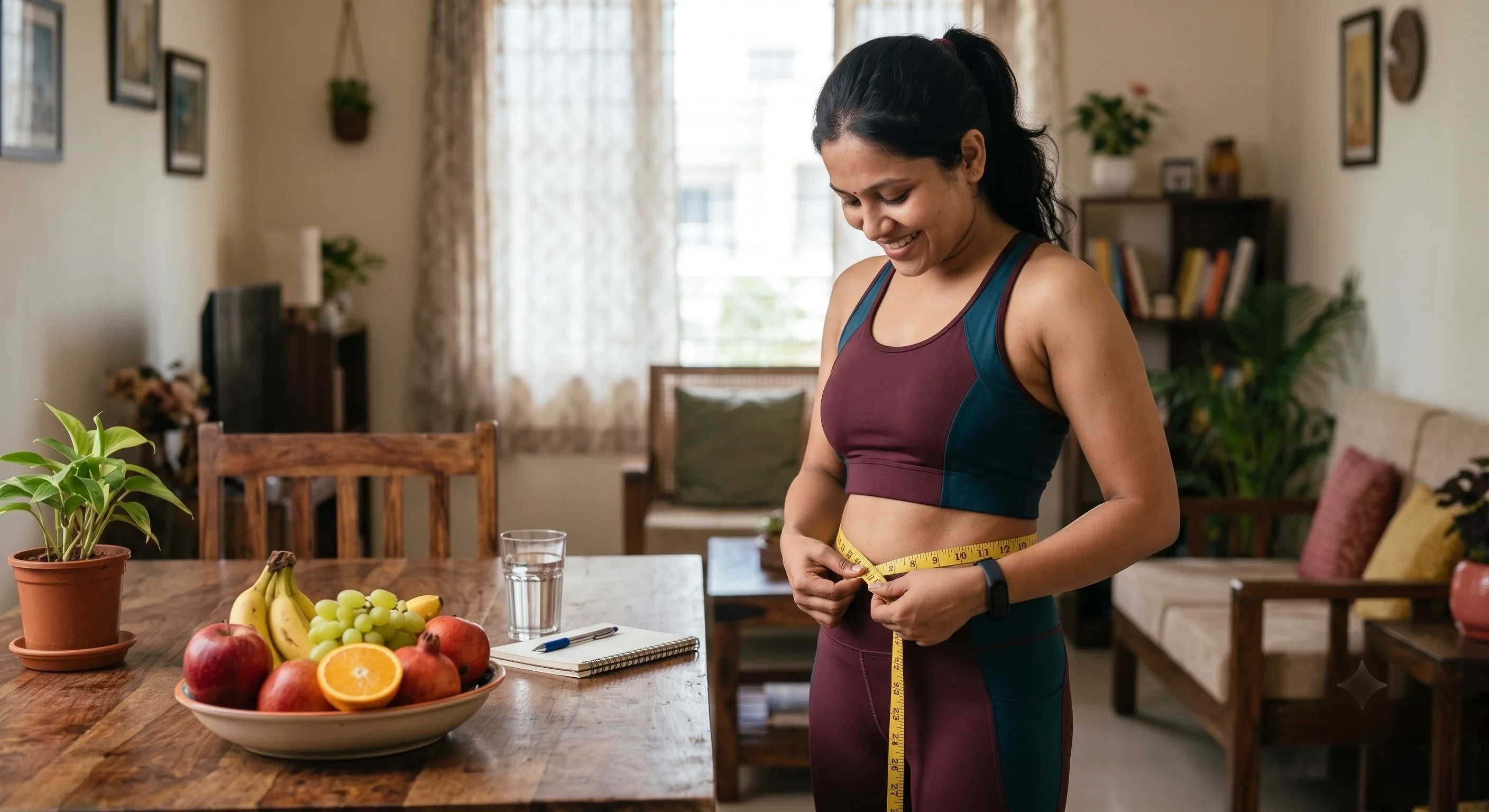
If you want to actually understand your own pattern rather than guess at it, this isn't a cleanse — it's a week of noticing.
Start by fixing breakfast so it includes real protein, not just tea. The next day, decide your afternoon snack before 3 PM instead of after you're already starving. After that, look honestly at your chai routine and swap in nuts or chana for a few of the biscuit days. Somewhere in the middle of the week, check whether breakfast, lunch and dinner are each getting a protein source, since most people are thinner on this than they realise. Let yourself have one planned treat, slowly, without compensating by skipping the next meal. Keep a simple note each time a craving hits — time, what you wanted, when you'd last eaten, how you'd slept, what mood you were in. By the end of the week, read it back and look for the actual pattern: is it afternoons, nights, post-skipped-meals, around your period, after bad sleep, or during stress? That's the thing worth working on. Not sugar in general — your actual trigger.
The bigger picture on weight and PCOS
One habit I see backfire constantly: trying to manage PCOS by eating as little as possible. It rarely holds up, and it tends to increase how much someone thinks about food, not less.
Current international guidance doesn't recommend one specific diet as superior for PCOS — the emphasis is on a sustainable approach that fits the individual, and separately, a large review of dietary interventions in PCOS found real, if modest, improvements in insulin resistance with dietary changes — meaningful, but not the same as a single "PCOS diet" fixing everything on its own. And weight loss itself isn't the only lever: lifestyle changes can improve PCOS symptoms even without significant weight change.
What tends to actually help, over time: protein at most meals, enough fibre from vegetables, legumes and whole grains, not going so long between meals that you're setting yourself up to overeat later, dropping the habit of labelling foods "good" or "bad," and treating any calorie changes as something to individualise with a professional rather than something to guess at from a blog post.
When it's worth seeing a doctor
Cravings alone don't diagnose anything. But if they're showing up alongside excessive thirst, frequent urination, unexplained weight changes, ongoing fatigue, dizziness, very irregular periods, or repeated episodes of binge eating, that's a reason to get checked properly rather than keep adjusting your snacks. The elevated risk of impaired glucose tolerance and type 2 diabetes in PCOS holds regardless of BMI, so this isn't only a conversation for anyone who "looks" like they might have a metabolic issue.
What I'd actually tell you
If you have PCOS and you're fighting sugar cravings most evenings, please stop treating it as a character flaw. It's more often a sign that your meals, sleep, stress or hormones need attention — not that you need more discipline.
Instead of asking how to stop wanting sugar completely, it's more useful to ask what your body or your day actually needed that it didn't get. Usually the answer is earlier food, more protein, a plan for the 4 PM slump, better sleep, or simply less restriction generally.
PCOS management was never about eating perfectly. It's about building a pattern you can actually sustain for years, not weeks.
Want this worked out for your life specifically?
General advice can only take you so far — your triggers, your schedule and your kitchen aren't the same as anyone else's. If you're dealing with PCOS, persistent cravings, irregular periods, or weight that won't shift no matter what you try, a plan built around your actual bloodwork, routine and food preferences works better than another generic list.
Book a consultation with Dietitian Sanchi →
I'll look at what's actually driving your cravings and build something that works with your life, not against it.
References
-
Teede HJ, Tay CT, Laven JJE, et al.; International PCOS Network. Recommendations from the 2023 International Evidence-based Guideline for the Assessment and Management of Polycystic Ovary Syndrome. Journal of Clinical Endocrinology & Metabolism, 2023.
-
Shang Y, Zhou H, Hu M, Feng H. Effect of Diet on Insulin Resistance in Polycystic Ovary Syndrome: A Systematic Review and Meta-analysis. Journal of Clinical Endocrinology & Metabolism, 2020.
-
Stefanaki K, Karagiannakis DS, Peppa M, et al. Food Cravings and Obesity in Women with Polycystic Ovary Syndrome: Pathophysiological and Therapeutic Considerations. Nutrients, 2024.
-
Lee I, Cooney LG, Saini S, et al. Increased Odds of Disordered Eating in Polycystic Ovary Syndrome: A Systematic Review and Meta-analysis. Eating and Weight Disorders, 2019.