Understanding PCOS and Insulin Resistance
PCOS (Polycystic Ovary Syndrome) affects hormone levels, ovulation, and, for most women, insulin sensitivity. Around 70% of women with PCOS have some degree of insulin resistance, which means the body needs more insulin to manage blood sugar, and that excess insulin can worsen symptoms like weight gain, irregular cycles, and acne. This is why diet plays such a central role in managing PCOS: the right foods can improve insulin sensitivity, not just help with weight.
Foods That Help Manage PCOS Naturally
Focus on high-fiber foods that slow sugar absorption: whole lentils (rajma, chana, moong), vegetables, and whole grains like millets (bajra, jowar, ragi) instead of refined flour. Include protein at every meal, eggs, paneer, fish, or dal, to keep you fuller for longer and stabilize blood sugar. Healthy fats from nuts, seeds, and moderate ghee support hormone production. Anti-inflammatory spices like turmeric and cinnamon are also commonly recommended.
Foods to Limit (Not Eliminate)
You don't need to cut out entire food groups, extreme restriction usually backfires. Instead, limit refined carbohydrates like maida-based foods, white bread, and sugary snacks, which cause rapid blood sugar spikes. Reduce fried foods and sugary beverages, and be mindful of portion sizes with white rice. The goal is moderation and smarter substitutions, not elimination.
Sample Day on a PCOS-Friendly Indian Diet
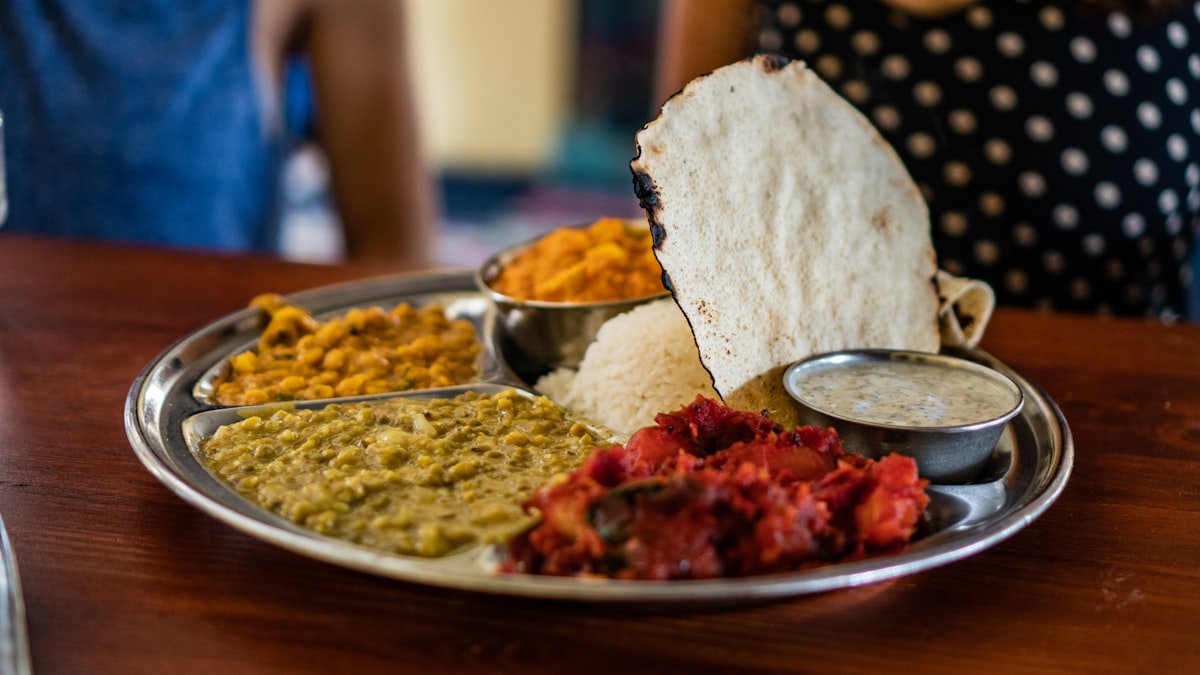
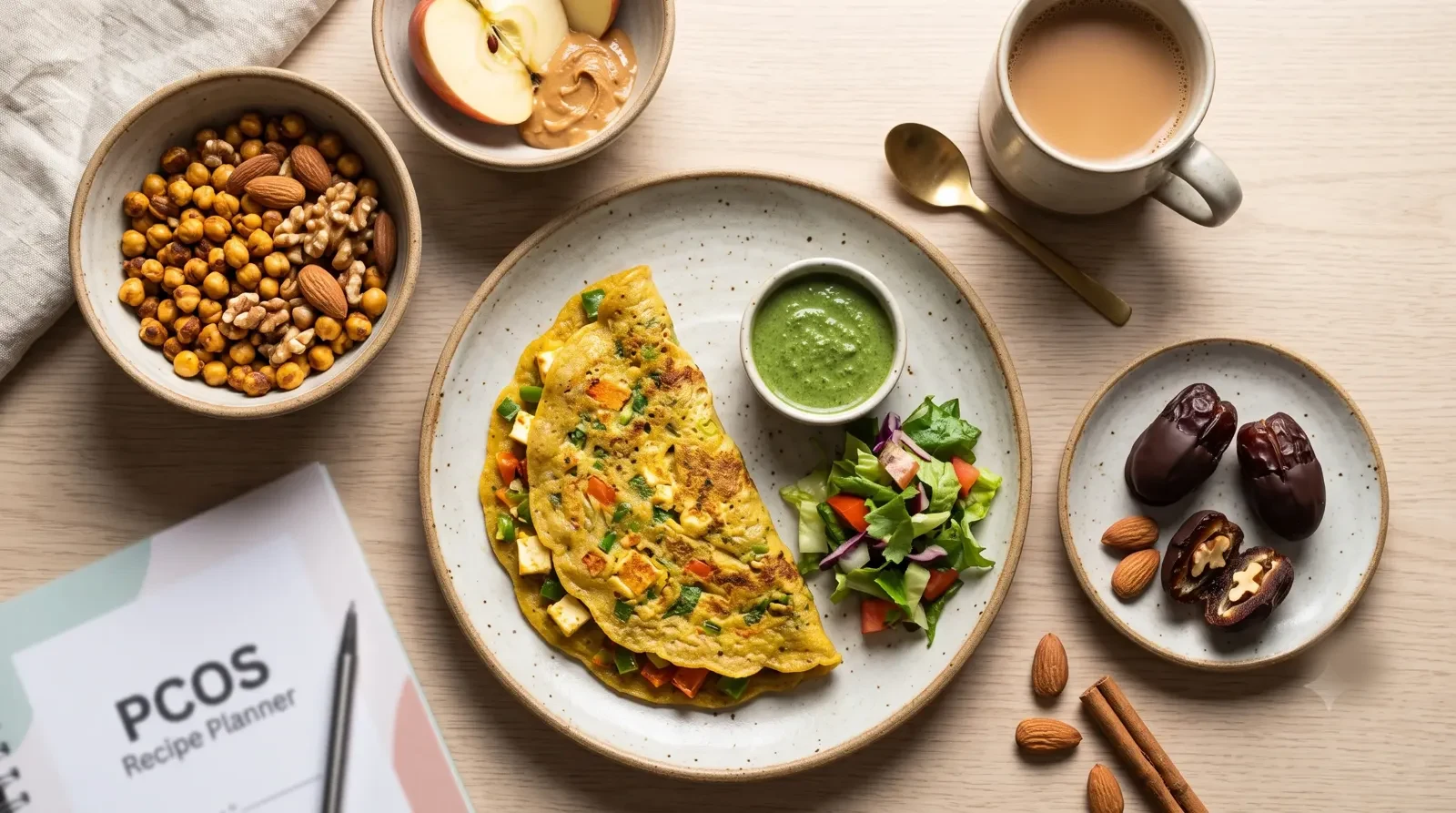
Breakfast: Vegetable moong dal chilla with mint chutney. Mid-morning: A handful of soaked almonds and walnuts. Lunch: Bajra roti, palak dal, a side salad, and a small bowl of curd. Evening: Roasted chana or a fruit with skin, like an apple or guava. Dinner: Grilled paneer or fish with sautéed vegetables and one jowar roti. This structure keeps blood sugar stable throughout the day while still feeling like a normal Indian meal plan.
Beyond Diet: Lifestyle Factors That Matter
Diet is powerful, but PCOS management works best as part of a holistic approach: regular movement (even 30 minutes of walking most days improves insulin sensitivity), consistent sleep, and stress management all influence hormone balance. Working with a dietitian who can personalize your plan to your specific symptoms, whether that's weight gain, irregular cycles, or acne, tends to produce better results than generic diet advice.